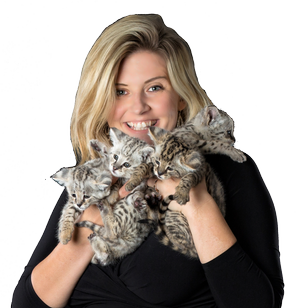
Scam Warning
Warning you are at risk of being scammed out of a kitten! Please let me help you avoid online predators pretending to be legitimate Maine Coon Breeders. Scam websites on the rise please don’t rush when you see adorable cheap or even expensive kittens for sale. You need to learn about buying a pedigree Maine Coon Cat.

Lets start with the average price for a registered Maine Coon which starts at $3,000 and goes upwards of $12,000. Don’t be alarmed as the highest priced cats are extremely rare (see more below). Kitten pricing has a wide range depending on the kitten's quality, the breeder, lineage and purpose (breeding, showing, pet). Pet quality kittens typically cost significantly less than breeding/showing quality kittens. Showing or breeding rights can be obtained at significantly higher cost, this is true for any pedigree animal. Scroll down for detailed break down about what affect the cost of a Maine Coon and how to determine what you should consider “valuable”.
Online Kitten Scams
Scammers (scam artists) often create rudimentary websites consisting of just five to seven pages, utilizing a $20 prepaid track phone to facilitate their operations. They engage in deceptive practices by pilfering images from legitimate breeders found on Google and appropriating text from various unrelated websites.

Beware of ONLINE KITTEN SCAMS - Read this article to on how to avoid scams.
This method allows them to have a facade of credibility while engaging in fraudulent activities.
For every one website that gets shut down, two more websites emerge to take its place, perpetuating a cycle of deceit. These scammers have turned their fake kittens into a profitable venture, targeting unsuspecting individuals.
Scammers invest in Google Ads to ensure their fraudulent sites appear at the top of search results, making it even more challenging for potential victims to discern the truth.
The allure of these scams can be strong, as they often promise attractive deals or rare opportunities that seem too good to be true.
It’s crucial for individuals to remain vigilant and recognize the red flags associated with these operations. Ignoring the warning signs in favor of believing in the legitimacy of these offers can lead to significant financial loss and emotional distress.
Approach online transactions with a healthy dose of skepticism, especially when dealing with unfamiliar websites or offers that seem overly enticing.
What will a scam website look like?
No watermark on photos of kittens.
No matching photos, look for kittens pictured in different locations.
No videos of kittens proving they are indeed real.
Bad grammar, often broken english.
Generic websites templates.
No cattery registration with TICA or CFA
Legitimate Cat Breeders
The first step in identify a real breeder from a scam is to verify that the breeder is registered with reputable cat registries (TICA and CFA if a USA breeder). The breeder will verify registration with these registries by providing their cattery numbers. Additionally the breeder can provide a verification listing through the registries websites (TICA and CFA if a USA breeder). This listing can only be obtained by a registered TICA member with a signed code of ethics.
Unfortunately, many potential owners don’t know what to look for in a breeder and fall victims to scam websites promising cheap-priced kittens from a “reputable breeder”.
How to identify if a cat breeder is reputable?
The breeder microchips the kitten so if lost it is returned.
The breeder will take back a kitten if homeless.
The breeder gives age-appropriate shots.
The breeder gives parasite prevention.
The breeder spays & neuters kittens prior to placement. Preventing potential pyometra and accidental litters.
The breeder makes sure to keep a kitten till a minim of 12 weeks old. Both CFA & TICA ethics state a breeder should keep kittens at this minimum. This ensures the kitten is emotional and physically ready. Allowing a kitten to leave younger can compromise its emotional well-being and immune system for its entire life.
Are the pictures watermarked?
Image watermarking serves as a protective measure to verify the authenticity of the breeder, ensuring that buyers are purchasing kittens from a legitimate breeder. Watermarks deter unauthorized use or reproduction, safeguarding the intellectual property of creators and businesses.
Can you navigate the cat breeder’s website?
The breeder’s website is easy to navigate.
The breeder has a website that educates about the breed.
The breeder has a website that tells about their program.
The breeder can produce pictures of available kittens.
Are the cat’s parents health tested?
Blood Disorders
Cardiac Disorders
Endocrine Disorders
Immunologic Disorders
Metabolic Disorders
Muscular Disorders
Neurologic Disorders
Neuromuscular Disorders
Ocular Disorders
Renal Disorders Including PKD
Skeletal Disorders
Are the kittens registered?
Breeder registers each litter providing buyers with registration paperwork/number.
Beware a breeder stating they don’t want to “deal with paperwork,” or they are “just producing pets.” They probably don’t have usable registration papers.
If the Seller bought a Maine Coon with no breeding rights and then reproduced, that means they disregarded the legal contract they signed. You do not want to do business with a “breeder” who ignored a contract they agreed to uphold.
It costs a breeder $10 to register a litter of kittens with TICA or CFA. Ask yourself why would a breeder discount a kitten hundreds or even thousands for a non-registerable kitten that is purebred? Retired cats and cats with special needs could considerably cost less than the quoted average price. You would still be looking for the above-mentioned qualities in a breeder.
How old is your Maine Coon Kitten?
A responsible breeder prioritizes the well-being of their kittens by ensuring that they remain with their mother and littermates until they are at least 12 weeks old. This practice is supported by the ethical guidelines set forth by both the Cat Fanciers' Association (CFA) and The International Cat Association (TICA), which mandate that kittens should not be placed in new homes before reaching this critical age.

Maine Coon growing up from 3 weeks old to full grown.
By adhering to this standard, breeders help guarantee that the kittens are both emotionally and physically prepared for the transition to their new environments. Releasing a kitten before it has reached 12 weeks can have lasting negative effects on its emotional health and immune system.

CFA & TICA ethics state a breeder should keep kittens till 12 weeks at the minimum.
The early weeks of a kitten's life are crucial for socialization and development, and being separated too soon can lead to behavioral issues and a weakened immune response that may affect the cat throughout its life. Therefore, the commitment to keeping kittens until they are adequately mature is not just a guideline; it is a vital aspect of responsible breeding that fosters healthier, well-adjusted cats.
Fair Kitten Pricing
“Pet only” kittens do not meet approve for breeding purposes and will cost less than those that are for “breeding/showing” kittens. Being marked as “pet only” do not necessarily mean lesser quality, rather the breeder may have planned for a different breeding prospect. Example of a different breeding prospect would be an alternate trait such as a longer tail, color, pattern, stud, and so on.
The cost of a kitten can increase significantly based on an assessment of its overall quality and personality traits.
How much does the kitten adheres to the breed standard?
Is the kitten friendly, outgoing, timid?
Factors such as breed standards, health status, and the kitten's behavior play a crucial role in determining its market value.
A kitten displaying favorable traits, including a sociable temperament and robust health, is expected to fetch a premium price in the market. It is probable that a breeder would choose not to sell such a kitten, opting instead to keep it for potential future breeding purposes.
Cat breeders frequently take into account the ancestry and pedigree of a kitten, along with any accolades or honors that its forebears may have achieved. This focus on lineage is crucial, as it not only reflects the genetic quality and potential health of the kitten but also indicates the breeder's commitment to maintaining high standards within the breed.
Recognizing the achievements of previous generations can provide insights into the temperament, physical characteristics, and overall suitability of the kitten for various roles, whether as a show cat or a beloved pet. Thus, the evaluation of a kitten's background is an integral part of responsible breeding practices. Ultimately, the combination of these elements contributes to the rising cost of a kitten, reflecting not just its physical attributes but also its potential as a beloved companion.
The financial implications of cat breeding encompass a variety of costs that potential breeders must consider before embarking on this endeavor. Initially, there are expenses related to acquiring high-quality breeding stock, which include purchasing purebred cats from reputable breeders which is expensive. The general price for breeding rights for a intact Maine Coon is $6,000 to $10,000 depending on ancestry (example supreme grand champions linage).
Additionally, breeders must invest in veterinary care, including vaccinations, health screenings, and regular check-ups to ensure the well-being of both the breeding cats and their offspring. The costs associated with proper nutrition, housing, and socialization of the cats also contribute significantly to the overall expenses. Furthermore, breeders may need to allocate funds for marketing their kittens, which can involve creating a website, attending cat shows, or utilizing social media platforms to reach potential buyers.
List of just a few expenses;
Registration & Membership Fees
High Grade Food (Lot of it!)
Cat Litter (Lots of it!)
Grooming
Vetting
Purchasing bloodlines
Website
Importing
Ethical practices
Example: Not using a cat that didn’t pass health testing)
Beyond the direct costs of breeding, there are also indirect expenses that can arise throughout the breeding process. For instance, breeders must consider the costs of maintaining a suitable environment for the cats, which includes purchasing appropriate bedding, litter, and toys, as well as ensuring that the living space is clean and safe.
Additionally, breeders may face unexpected expenses, such as emergency veterinary care for complications during pregnancy or birth, which can be substantial. It is also essential to factor in the time commitment required for responsible breeding, as this can impact the overall financial viability of the breeding program.
When evaluating the price of kittens, it's essential to take your geographical area into account, as the cost of living can vary significantly from one state to another, often leading to higher prices for pets in more expensive regions.
In summary, the expenses associated with breeding cats are multifaceted and require careful planning and consideration to ensure a successful and ethical breeding practice.
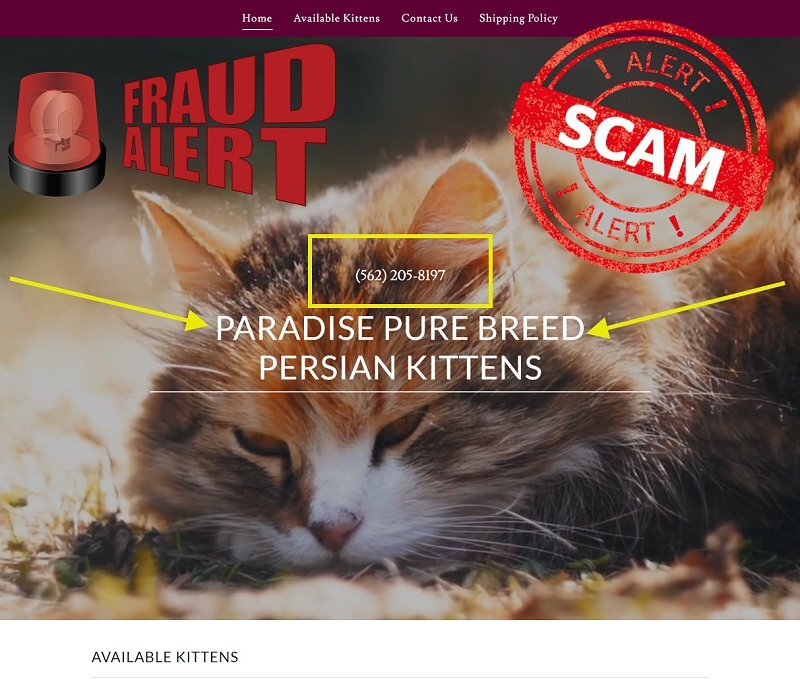
Examples of online kitten scams!
The “breeder” websites shown below are all 100% fake websites.
Scammers are paying for GoogleAds to rank above legitimate breeders.




"The bitterness of a poor-quality animal will linger long after the sweetness of a cheap price is forgotten.”
Support is your choice.
Support those doing more for the breed.